Can Braces Help Fix a Crossbite Without Surgery?
A crossbite is more than just a cosmetic concern—it’s a bite misalignment where the upper and lower teeth don’t meet correctly when the mouth is closed. This condition can affect one tooth, several teeth, or even an entire arch, and left untreated, it can lead to jaw pain, uneven tooth wear, and even difficulty chewing. Naturally, many patients wonder if braces alone can correct a crossbite without the need for surgery. The good news is that, in many cases, braces can indeed help, but it depends on the severity and type of crossbite.
Understanding Crossbites
There are a few different types of crossbites. A posterior crossbite affects the back teeth, often resulting in one or more upper teeth sitting inside the lower teeth when biting down. An anterior crossbite, sometimes called an underbite, occurs when the upper front teeth sit behind the lower front teeth. Crossbites can be caused by genetics, delayed loss of baby teeth, abnormal jaw growth, or habits like thumb sucking.
Early diagnosis is important because crossbites can worsen over time. Without treatment, the teeth may wear unevenly, the jaw may develop asymmetrically, and patients may experience increased risk of gum disease or temporomandibular joint (TMJ) discomfort.
How Braces Can Help
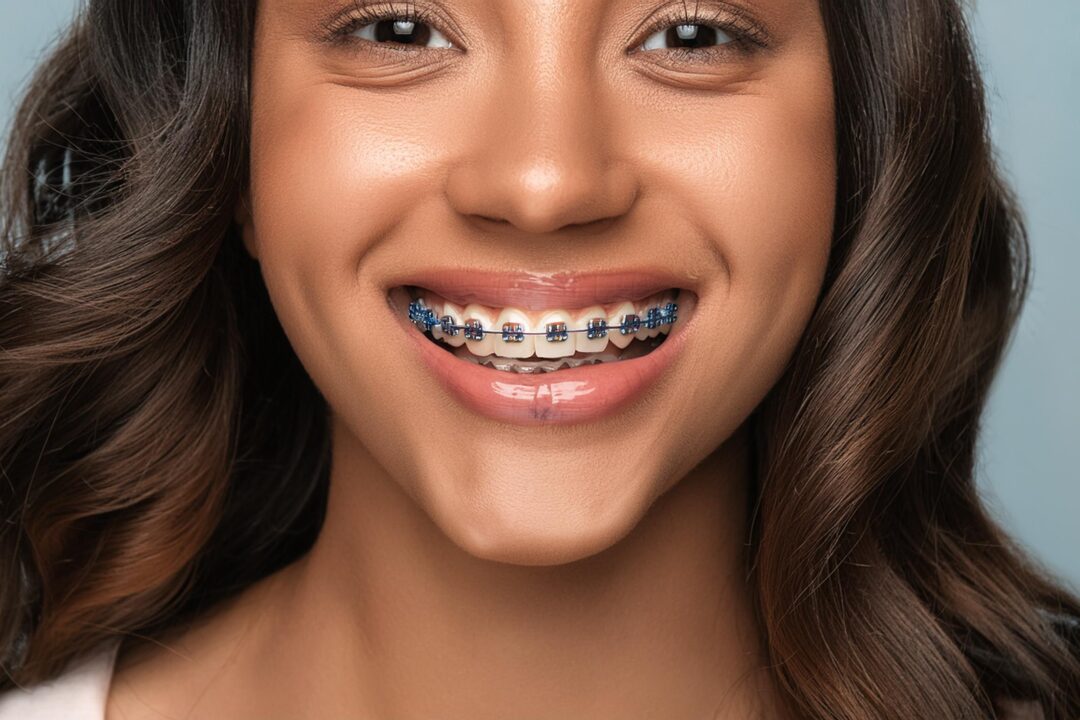
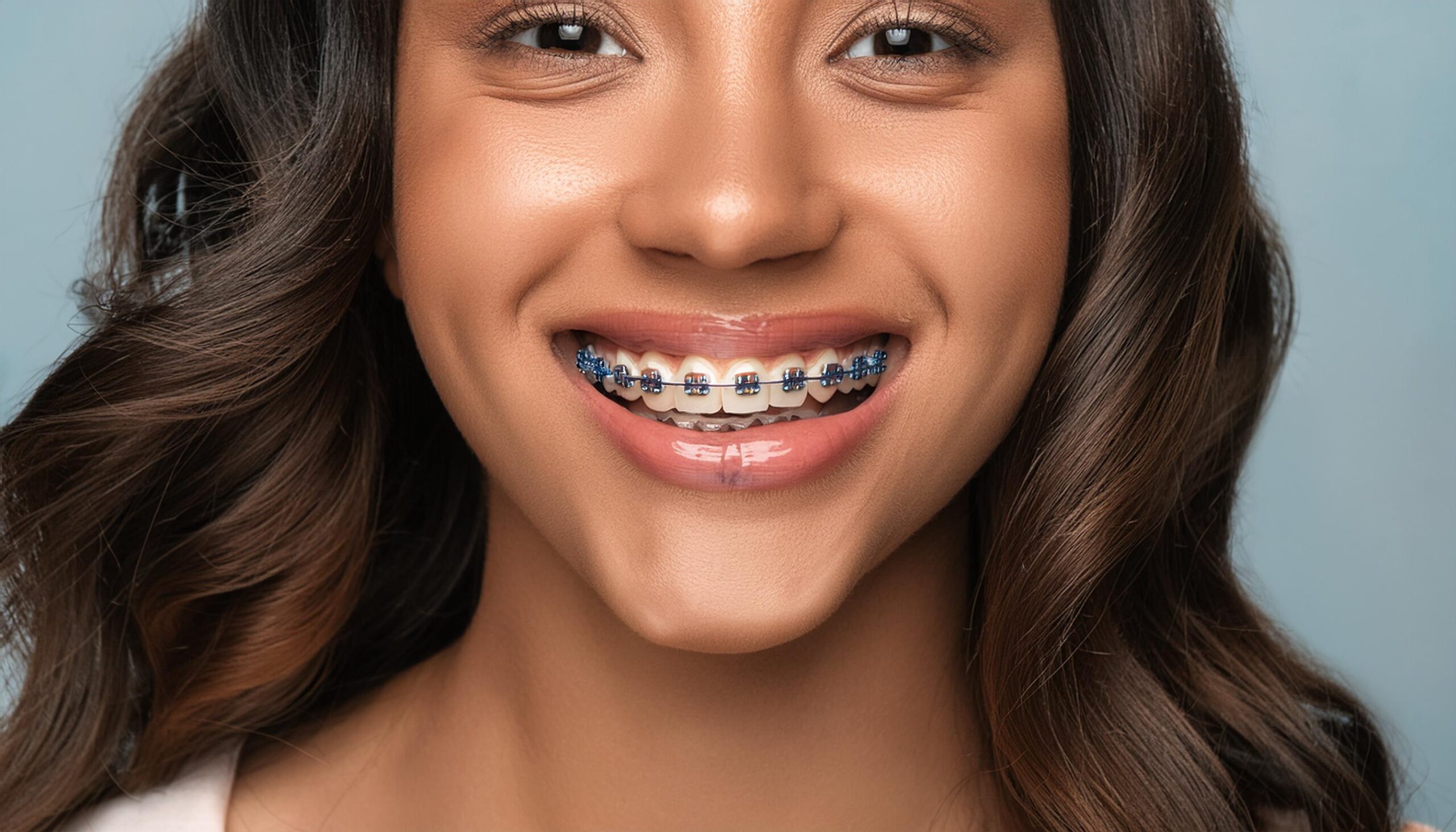
Braces are one of the most common ways to correct a crossbite, especially when the misalignment is moderate. Braces work by applying gentle, continuous pressure on the teeth to gradually move them into their proper position. Over time, this pressure can realign teeth and, in some cases, even help guide jaw development.
For a posterior crossbite, braces can work in combination with other orthodontic appliances like expanders. A palatal expander, for example, gradually widens the upper jaw, creating more space for the teeth to align properly. When paired with braces, this approach can often correct the bite without surgery.
For anterior crossbites, braces can shift teeth forward or backward as needed to bring the upper and lower teeth into proper alignment. In some cases, clear aligners can also be effective, especially for mild anterior crossbites, offering a more discreet treatment option.
It’s important to note that the success of non-surgical treatment depends largely on the age of the patient. Younger patients whose jaws are still growing often have more flexibility, making braces and expanders highly effective. Adults may still benefit from braces, but the options can be more limited if the jaw structure has fully developed.
The Role of Additional Appliances
While braces alone can fix many crossbites, some cases benefit from additional appliances. These tools enhance the ability to move teeth and adjust jaw position safely.
For instance, elastics (small rubber bands attached to braces) can help correct the bite by applying targeted pressure in specific directions. These are often used for anterior crossbites to encourage the upper teeth to move forward or the lower teeth to shift back slightly.
Other devices like bite plates or habit-correcting appliances can prevent habits like thumb sucking from interfering with treatment or gently reposition the jaw in growing patients. These appliances work best in tandem with braces and can often eliminate the need for surgical intervention.
When Surgery May Be Necessary
While many crossbites can be corrected with braces and orthodontic appliances alone, severe cases—especially in adults—may require surgical intervention. Surgery is typically considered when the jaw structure itself is misaligned, rather than just the teeth. In these cases, braces are still an important part of the treatment plan, both before and after surgery, to ensure the teeth are properly aligned with the corrected jaw.
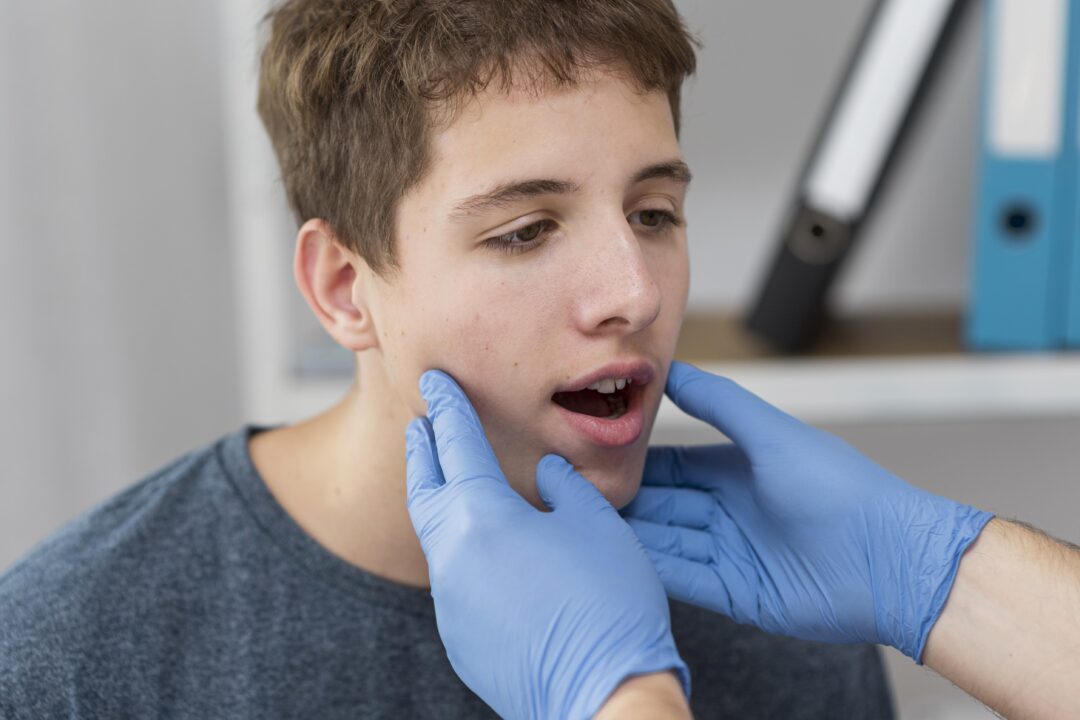
This is why a thorough consultation with an orthodontist is critical. They can evaluate whether your crossbite can be addressed non-surgically or if a more comprehensive approach is necessary.
Benefits of Correcting a Crossbite Without Surgery
For patients who can achieve correction with braces alone, the benefits are significant. Non-surgical treatment is less invasive, generally more comfortable, and can often be completed in a shorter timeframe than surgical approaches.
Correcting a crossbite improves not only the appearance of your smile but also your oral health. Properly aligned teeth are easier to clean, reducing the risk of cavities and gum disease. A corrected bite can also prevent uneven wear on teeth, alleviate jaw strain, and reduce the likelihood of TMJ pain.
Additionally, addressing a crossbite early can prevent more complex orthodontic issues later on, making future treatment easier and more predictable.
Maintaining Results After Treatment
Once the crossbite is corrected, retaining the results is just as important as the initial treatment. Orthodontic retainers help maintain the new alignment, ensuring that teeth do not drift back into their previous positions. Your orthodontist will provide guidance on how long and how often retainers should be worn, based on your individual treatment plan.
Good oral hygiene during and after treatment is essential to protect your investment in a healthy, aligned smile. Regular brushing, flossing, and check-ups will keep teeth and gums strong and healthy.
Take the Next Step with Reopelle Orthodontics
If you’ve been wondering whether braces can fix a crossbite without surgery, the experienced team at Reopelle Orthodontics in Roanoke, VA is here to help. We specialize in creating personalized treatment plans tailored to each patient’s unique bite and dental structure. From braces and expanders to clear aligners and retainers, we offer a full range of orthodontic solutions to help you achieve a straight, healthy, and functional smile.
Schedule a consultation with an Orthodontist in Roanoke, VA today and take the first step toward correcting your crossbite and improving your overall oral health. At Reopelle Orthodontics, we’re committed to providing treatments that are effective, comfortable, and tailored to your smile goals.